Feminism and Maternity Care

How Feminism Connects to Maternity Care Feminism’s core commitment to equality, dignity, and freedom translates directly into the urgent need to transform maternity care systems so they uphold women’s human rights throughout pregnancy, labour, birth, and the postnatal period. Feminism, as described by UN Women, is a global movement focused on dismantling the social, political,

What is feminism?

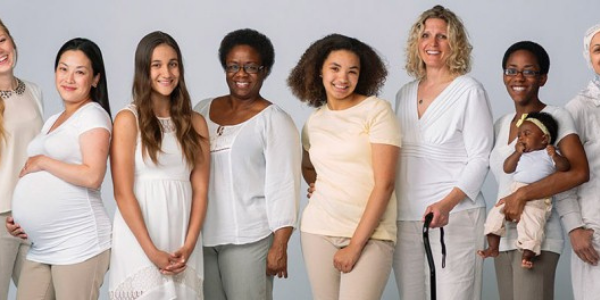
Everyone deserves equal rights, opportunities, and freedom. Feminism is often misunderstood, yet at its core it is simply the belief that everyone — regardless of gender — deserves equal rights, opportunities, and freedom. As UN Women explains, feminism is not a single ideology but a diverse, evolving global movement shaped by generations of women’s rights

International Women’s Day 2026

Women’s Rights Are Human Rights Rights. Justice. Action. For ALL Women and Girls Women’s rights are human rights and that includes the right to safe, respectful, equitable maternity care. Maternal Health Matters’ Position Statement: A Social Justice Approach for Birthing Women outlines why this matters and the reforms urgently needed. Every person is entitled to

Strengthening primary maternity care

Toward a Sustainable Maternity Care System Strengthening primary maternity care is not an optional reform. It is the only path to a sustainable, equitable maternity system. When continuity, comprehensiveness, and coordinated teams form the foundation, every other part of the system becomes safer, more efficient, and more humane. A strong primary care system is the

Rural and Remote Maternity Care

Parliamentary Friends for Maternal Health Rural Maternity Services Yesterday, at Parliamentary Friends for Maternal Health we explored how to protect and restore rural birthing services, ensuring every woman has the opportunity to birth safely, locally, and with dignity. We know Rural women and their babies continue to face poorer perinatal outcomes than those in cities,

Replacing Fear with Compassion

Replacing Fear with Compassion   Maternity care should never be shaped by fear. Yet for too many women, fear of not being heard, not being respected, not being safe continues to shadow their maternity care experience. This month, we explore how compassion can replace fear as the guiding force in maternity care, transforming not only

The first 2,000 days

Unlocking Lifelong Health by Getting the First 400 Days Right The first 2,000 days - from conception to a child’s fifth birthday - form the most influential period of a child’s development. Within this window, the first 400 days are especially powerful. These early months shape brain architecture, immune resilience, emotional regulation, and long‑term risk

Christmas

Merry Christmas from all of us at MHM We want to say a heartfelt thank you for your support throughout the year. Christmas invites us to pause and reflect on Mary; on her courage, her strength, and the profound moment of becoming a mother. This season has always been deeply connected to mothers, babies, love,

Position Statement

Eroding Rights, Trust, and Safety in Maternity Legislating against maternity care decisions does not protect women; rather, it compounds trauma and deters timely care seeking. While the goal of protecting vulnerable, often traumatised women from exploitation by rogue and unscrupulous persons is commendable, the joint call by RANZCOG and ACM to implement “Restricted Birthing Practices” law

Why a Standard for Maternity Care Matters

Why a NSQHS Standard for Maternity Care Matters Australia’s National Safety and Quality Health Service (NSQHS) Standards reflect a national commitment to safer, better healthcare for all. They set the benchmark for quality and safety—protecting the public, strengthening governance, and building trust across our health system. What the NSQHS Standards deliver: • Genuine partnership with

Go to Top