Parliamentary Friends for Maternal Health
Rural Maternity Services
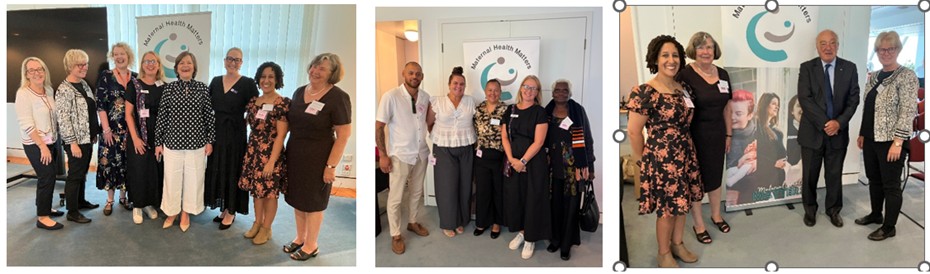
Yesterday, at Parliamentary Friends for Maternal Health we explored how to protect and restore rural birthing services, ensuring every woman has the opportunity to birth safely, locally, and with dignity.
We know Rural women and their babies continue to face poorer perinatal outcomes than those in cities, an inequity that has persisted for decades. With nearly half of rural maternity units closed since 1992, communities are losing far more than a health service.
Thank you to our speakers
Professor Jenny May AM the current National Rural Health Commissioner highlighted the factors that influence such as small critical mass, hostile geography, workforce, trends in complexities and risk from a woman’s perspective, a service perspective and health professional perspective.
Dr Marian Dover a Rural Generalist Obstetrician in remote western Australia, provided insight into a model of care that is successful and why local maternity services save lives,
Ms Whitney Fordham – who shared her recent experienced maternity care in a Birthing on Country model of care at Waminda.
Ms Melanie Briggs – Waminda’s Minga Gudjaga and Birthing on Country Manager who explored the critical role Parliament has in securing the future of Birthing on Country. Birthing on Country must be embedded in state and federal maternity policy so it becomes a stable part of the system rather than reliant on short‑term grants. Above all, Australia must commit to establishing Aboriginal‑led birthing centres across the country to ensure culturally safe, community‑designed care for generations to come.
It was inspiring to hear of different ways of providing maternity care to rural women, that were both safe and complementary.
Respectful maternity care is an approach to care that emphasizes the fundamental rights of women, newborns, and families by promoting equitable access to evidence‑based care while recognising each person’s unique needs and preferences, and this definition is strengthened by its explicit emphasis on justice, making clear that respectful care is not only about how an individual is treated in the moment but also about creating a maternity system that is fair, safe, and responsive for all the people it serves.
Rural birthing is a social justice issue – and there is a very real need for rural maternity care that is fair, safe, and responsive for all the people it serves .
We need to remember that local maternity services save lives, prevents avoidable harm from long distance travel, and upholds the principles of equity, fairness, choice and respect; most especially for First Nations families, low-income households, and rural and remote communities.
Local birthing is core community infrastructure: it keeps families close to home, strengthens towns, and ensures babies have a safe start in life.